

Known for Charity. We Do A Lot More…
Do something well enough, for long enough, and eventually people start assuming it’s the only thing you do.
At Wodehouse, we’re well known for our work with charities and the public sector, and we’re proud of that. But it’s only part of the picture. We simply do rather more besides, drawing on years of creative experience across sectors as broad as leisure and hospitality to engineering and construction.
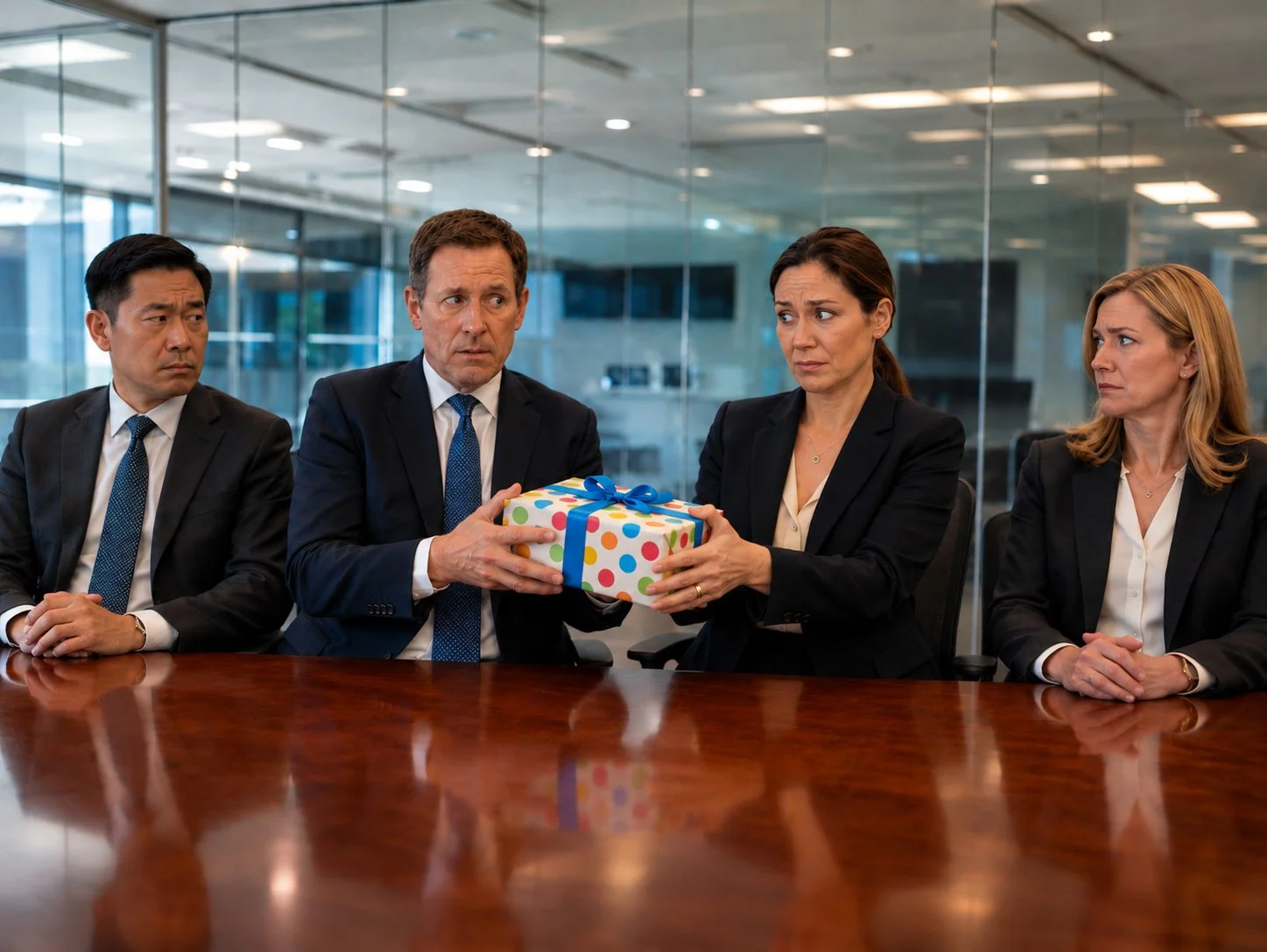
One Brief. More Possibilities. Less Pass the Parcel…
Design Briefs have a habit of growing arms and legs!
That’s why having access to a broader range of skills can make life considerably easier. At Wodehouse we work across graphic design, direct mail, web, social media, digital and litho print, leaflet distribution and wider marketing support. The point isn’t that every client needs all of those things. Most don’t. It’s that when a project starts expanding - as projects have a habit of doing - you don’t necessarily have to start looking for three more suppliers. Look to Wodehouse!
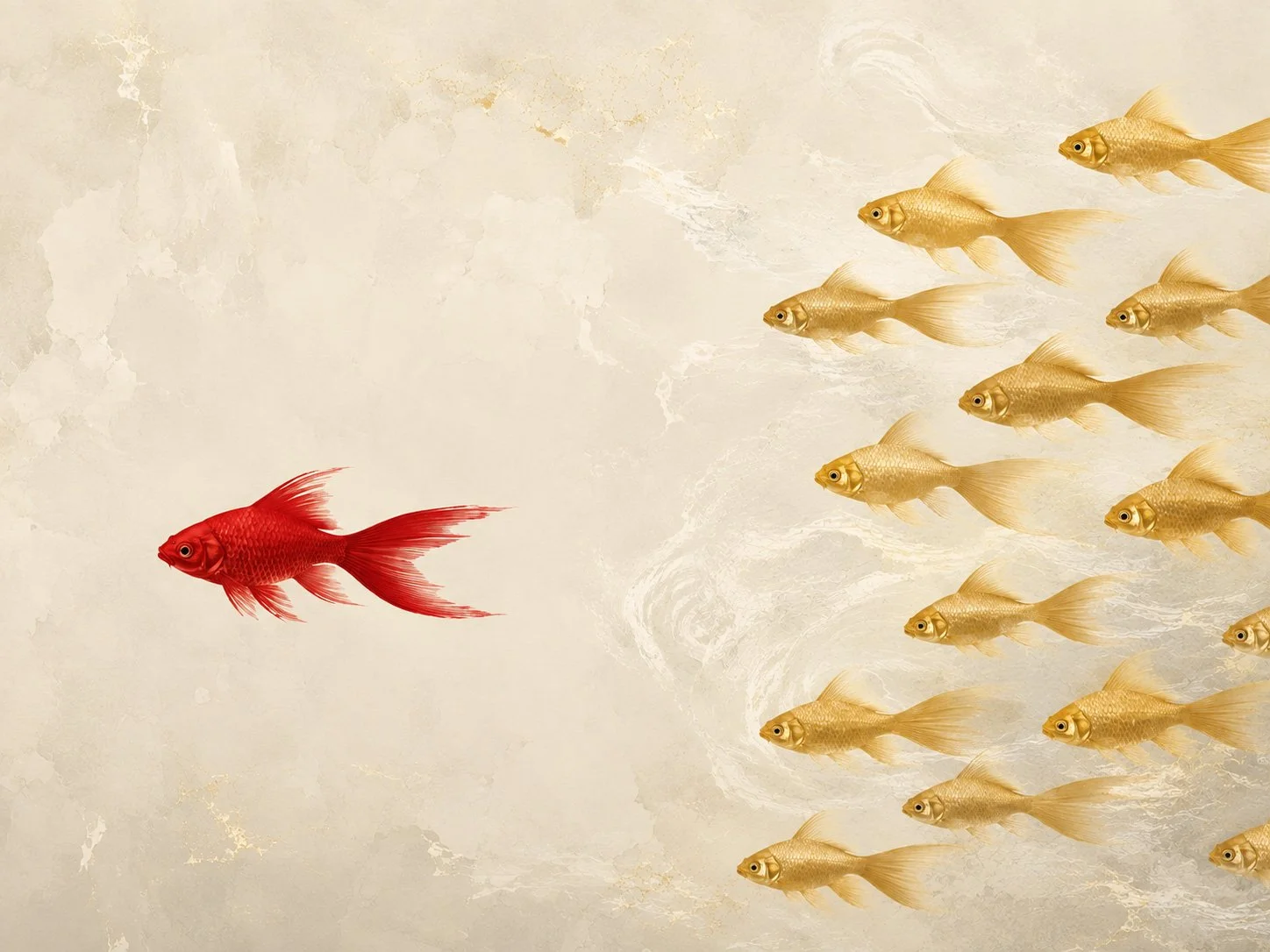
The Hidden Cost of Looking Like Everyone Else…
Templates make design easier. They can also make brands disappear.
Scroll through LinkedIn or Instagram for a few minutes and certain things start to look very familiar. The same fonts, the same pastel blocks, the same little geometric flourishes. Different company, different logo, but somehow the same look.
DIY design tools have made it incredibly easy to produce something that looks clean and presentable. That’s useful, but it has also created a problem for brands trying to stand out. When everyone has access to the same shortcuts, everyone starts to look remarkably similar.

Fundraising When Money’s Tight
It would be easy to look at falling donor numbers and conclude that people simply care less.
There may be an element of disengagement, but affordability is clearly part of the picture too, and millions of people are still choosing to give despite having to think much more carefully about their own spending.
That distinction matters because a £10 donation isn’t simply another unit of response on a campaign report. It’s £10 somebody has chosen not to spend somewhere else, and when money is tight that decision carries a little more weight.
The case for support therefore has to work harder.
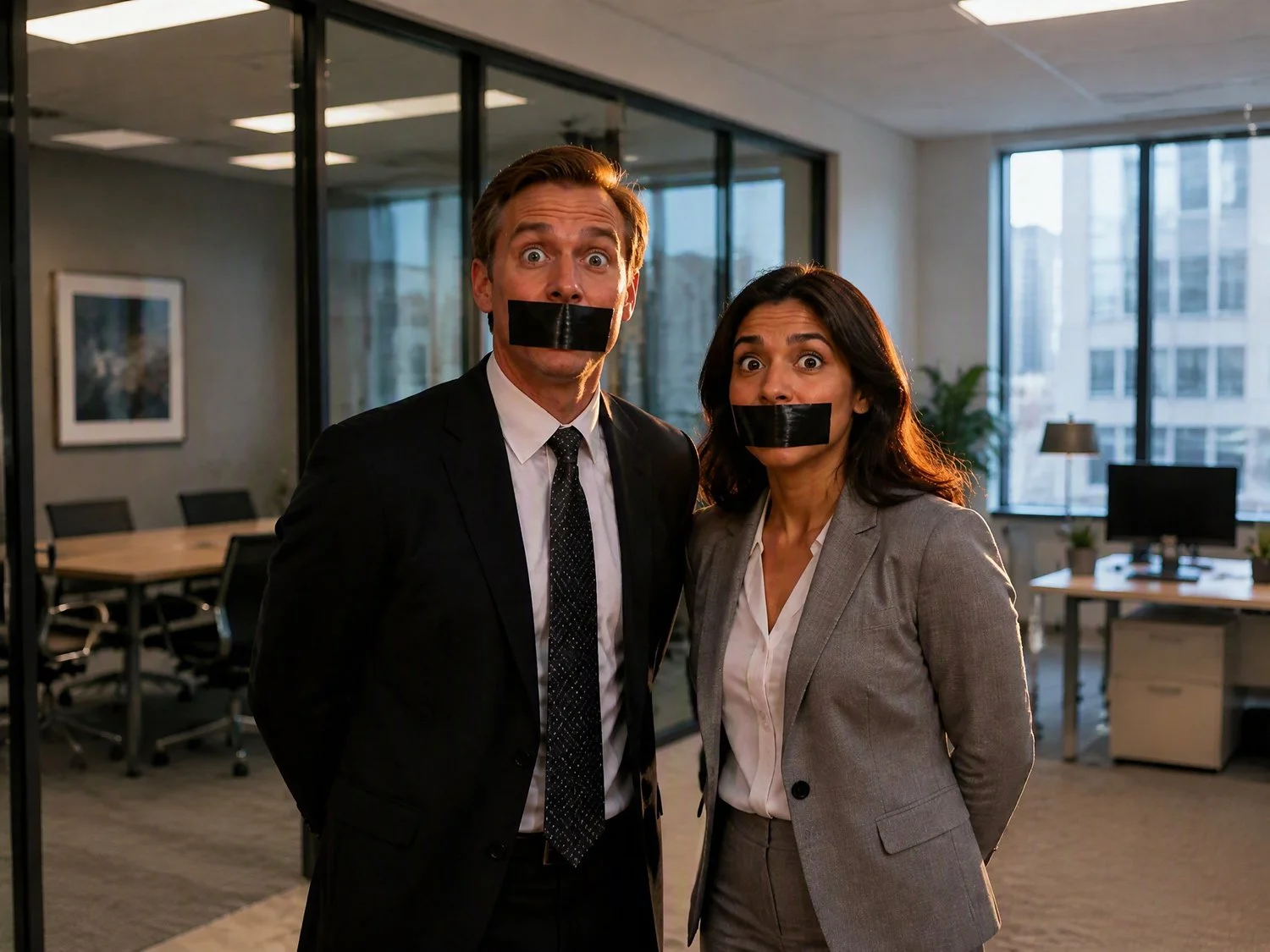
When everyone else goes QUIET… DON’T.
Why the summer slowdown can be a surprisingly good time to make yourself heard
If experience has taught us anything, it’s that August has a habit of being written off a little too quickly.
People are away, inboxes fill with out-of-office replies, meetings get pushed into September and there’s a general temptation to assume that nobody is really paying attention. Marketing gets eased back, campaigns are put on hold and businesses quietly decide they’ll pick everything up again when everyone is properly back at their desks.
We’ve never been entirely convinced by that approach.

Is Your Charity’s Message Getting Lost?
Is your Charity’s Message Getting Lost?
Charities do extraordinary work, often in difficult circumstances and with far fewer resources than the scale of the challenge really demands. They support people through some of the hardest moments in their lives, tackle complicated social problems and provide services that communities simply could not do without.

Why Charity Design Is Getting Looser, Louder and More Human
Some of the most distinctive charity brands now appear looser, louder and considerably less polished.
Lines wobble across layouts. Type changes scale without asking permission. Brush marks interrupt photographs, illustrations look handmade and words are circled, crossed through, underlined or allowed to collide. At first glance, it can look slightly chaotic. Look more closely, however, and the chaos is doing a very particular job.
This isn’t bad design. It’s designed disorder.

Clearer charity comms make giving easier.
Charities are not short of important things to say.
Most have the opposite problem. There is the need they are meeting, the people they are helping, the impact they are making, the pressure they are under, the funding gap they are trying to close and the next appeal, event or campaign already coming into view.
The challenge is turning all of that into something clear enough for someone outside the organisation to understand quickly, trust instinctively and act on.
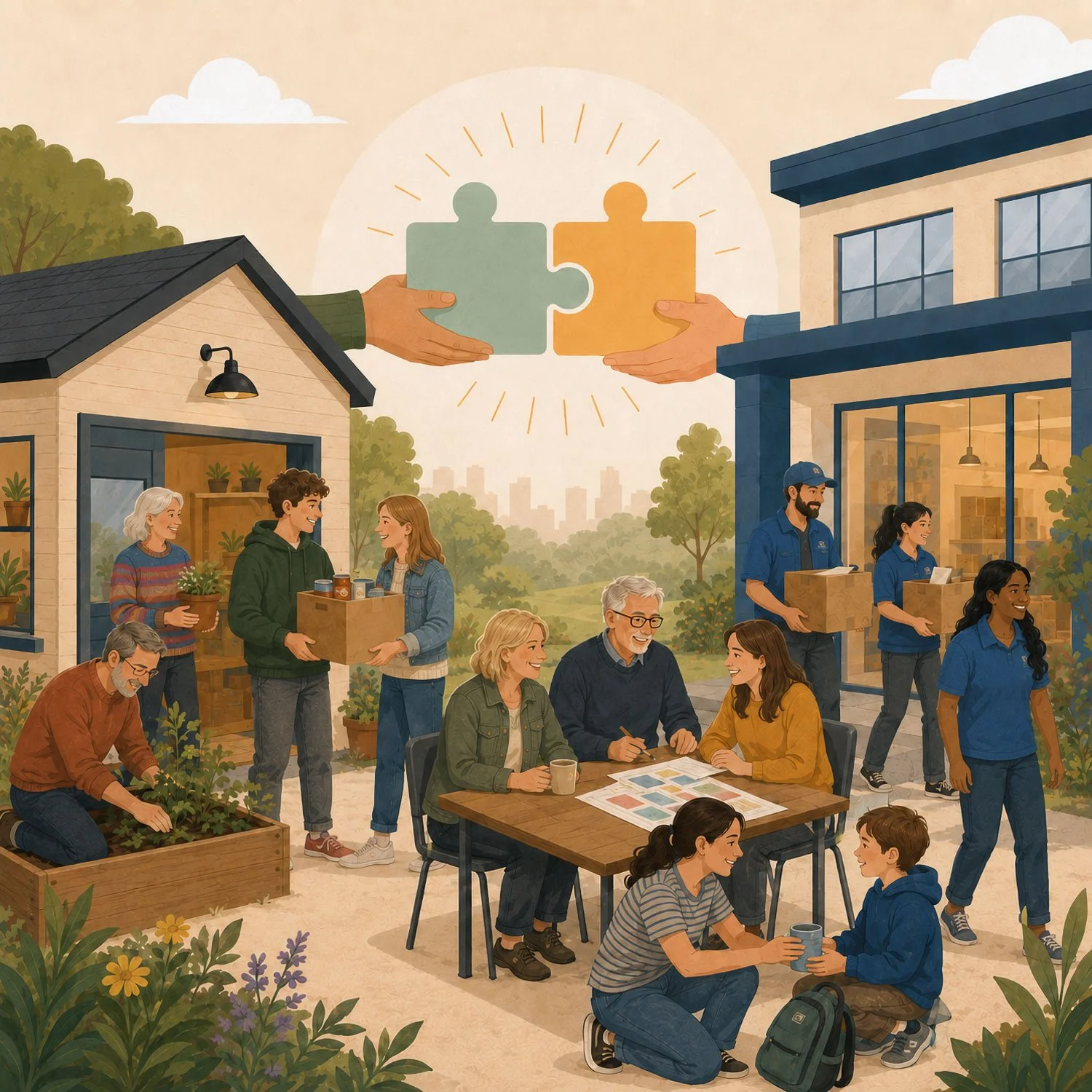
What Small and Large Charities Can Learn From Each Other.
What Small and Large Charities Can Learn From Each Other.
The danger for small charities is assuming authenticity alone will carry the message. The danger for large charities is assuming scale alone will carry the campaign.
In reality, donors respond to both heart and confidence. They want to feel something, but they also want to believe the charity knows what it is doing.
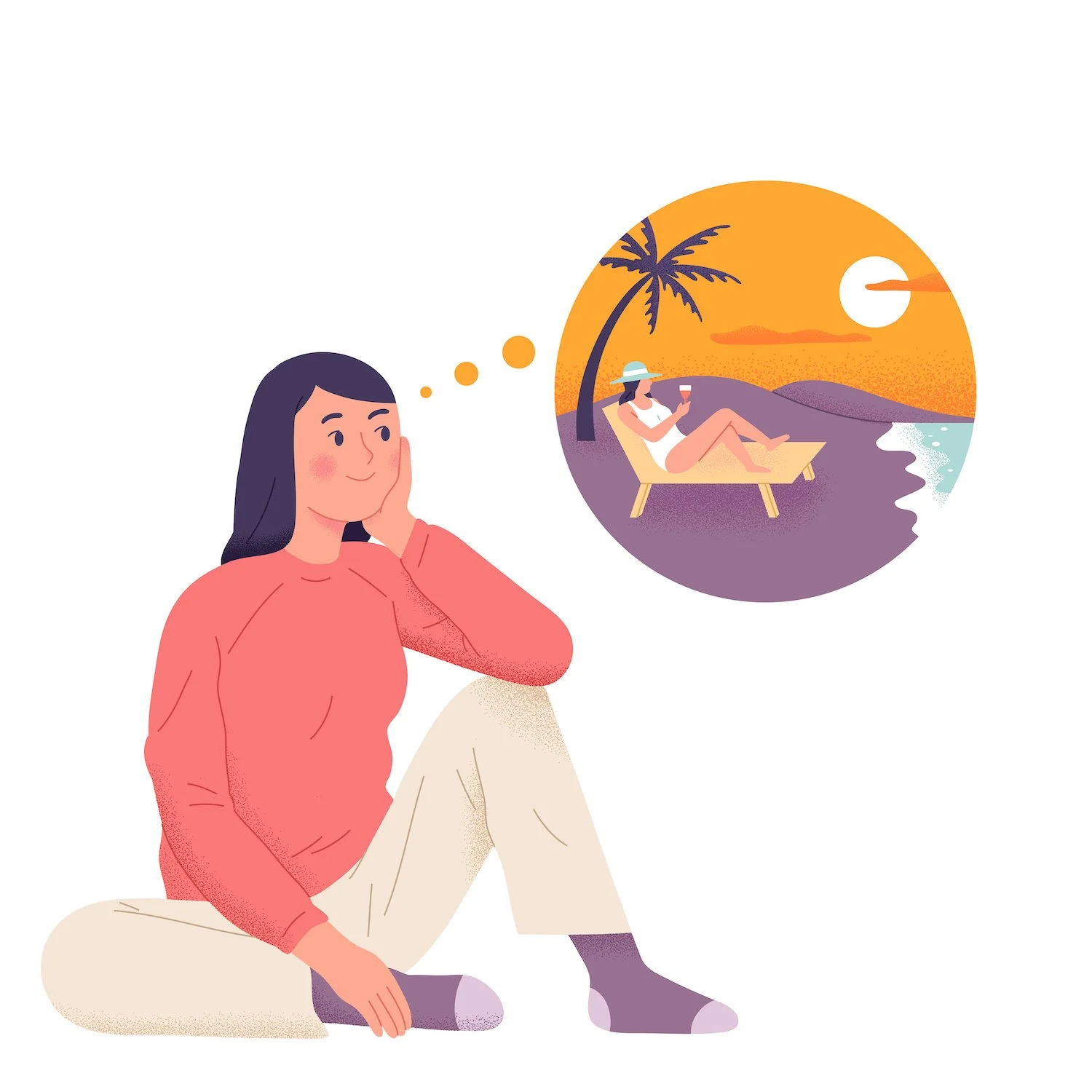
What Charities Can Learn From a Heatwave!
As temperatures across the UK climb into the 30s next week, the advice is familiar. Being fundraising people, we couldn't resist drawing a few comparisons. Stay hydrated. Avoid unnecessary risks. Plan ahead. Don't wait until there's a problem before taking action.
Fundraising isn't all that different. A heatwave doesn't create weaknesses. It reveals them.
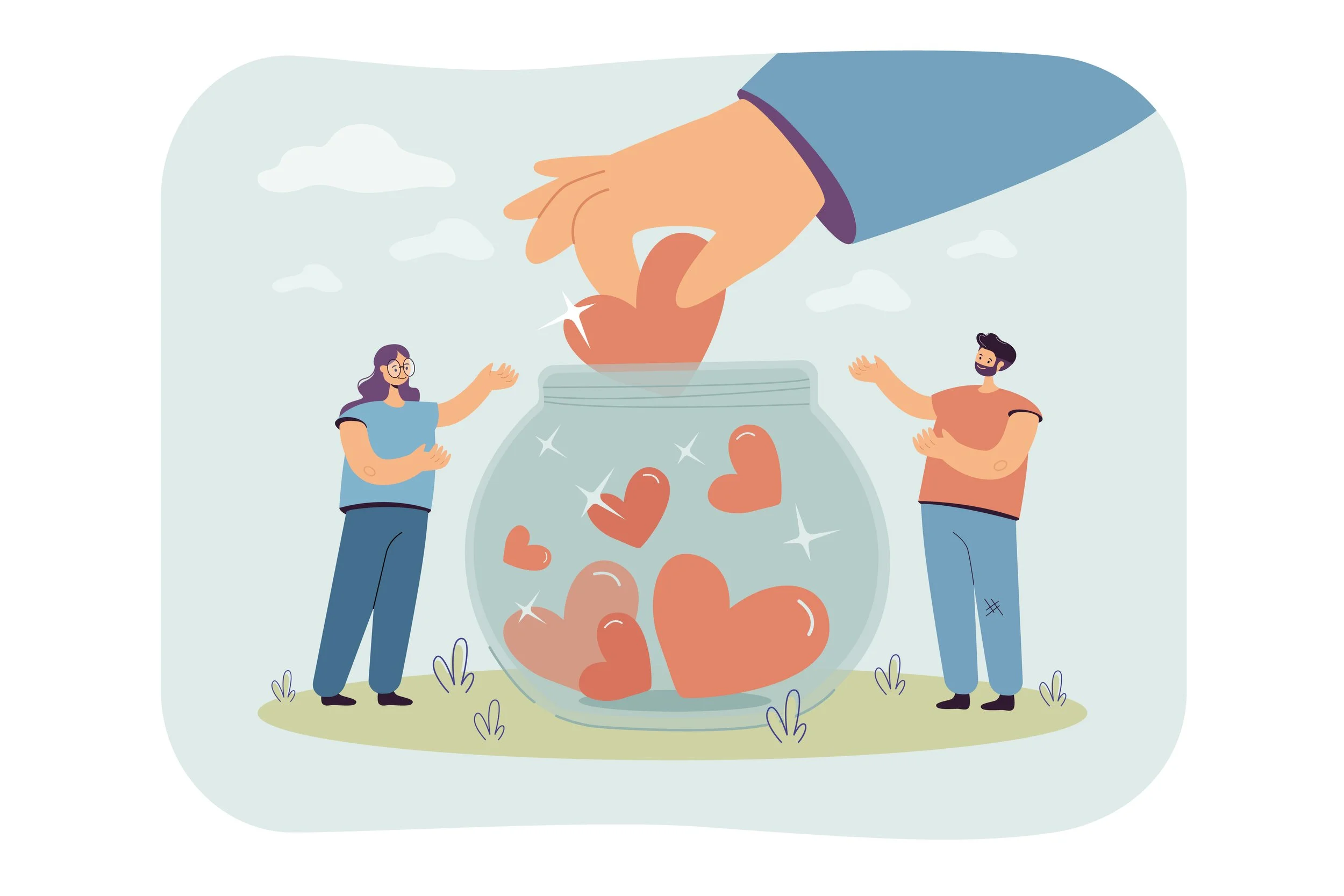
Why People Still Give (Even When Money’s Tight)
Why People Still Give…
On paper, it makes perfect sense. Costs go up, budgets shrink, priorities shift. You’d expect charitable giving to quietly fall away while people focus on what they need to get through the month.
In reality, it doesn’t quite behave like that.
People don’t stop giving. Not entirely. What changes is how they give, and who they choose to support. The decision becomes a bit more deliberate, a bit less automatic. Less habit, more meaning.

The Campaign Recipe: Why Good Direct Mail Still Stands Out
Granny’s Cookies - Secret Recipe. This week, we’re sharing ours — how to build a direct mail campaign that actually works.
The Campaign Recipe:
Most charity comms try to do everything at once. They explain the problem, introduce the story, justify the organisation and ask for money… all in the same breath. The result is usually the same. Nothing really lands.
Good direct mail doesn’t work like that.

How to reconnect with lapsed donors
Lapsed donors aren’t a closed chapter - they’re a missed connection.
In most cases, they didn’t make a conscious decision to stop giving. The relationship simply faded. No clear impact, no meaningful contact, no compelling reason to stay involved.
That’s what makes re-engagement so powerful.
Because the challenge isn’t persuading someone new - it’s reminding someone who already cared why they did in the first place.

You don’t need more donors…You need to keep the ones you have.
You Don’t Need New Donors… And Here’s Why.
For a lot of charities, growth gets framed as an acquisition problem. The instinct is to push harder—more campaigns, more lists, more names coming in at the top of the funnel. But that’s rarely where the real issue sits. If you’re losing around 55% of your donors every year, which is broadly the industry average, you’re not really growing at all - you’re replacing…
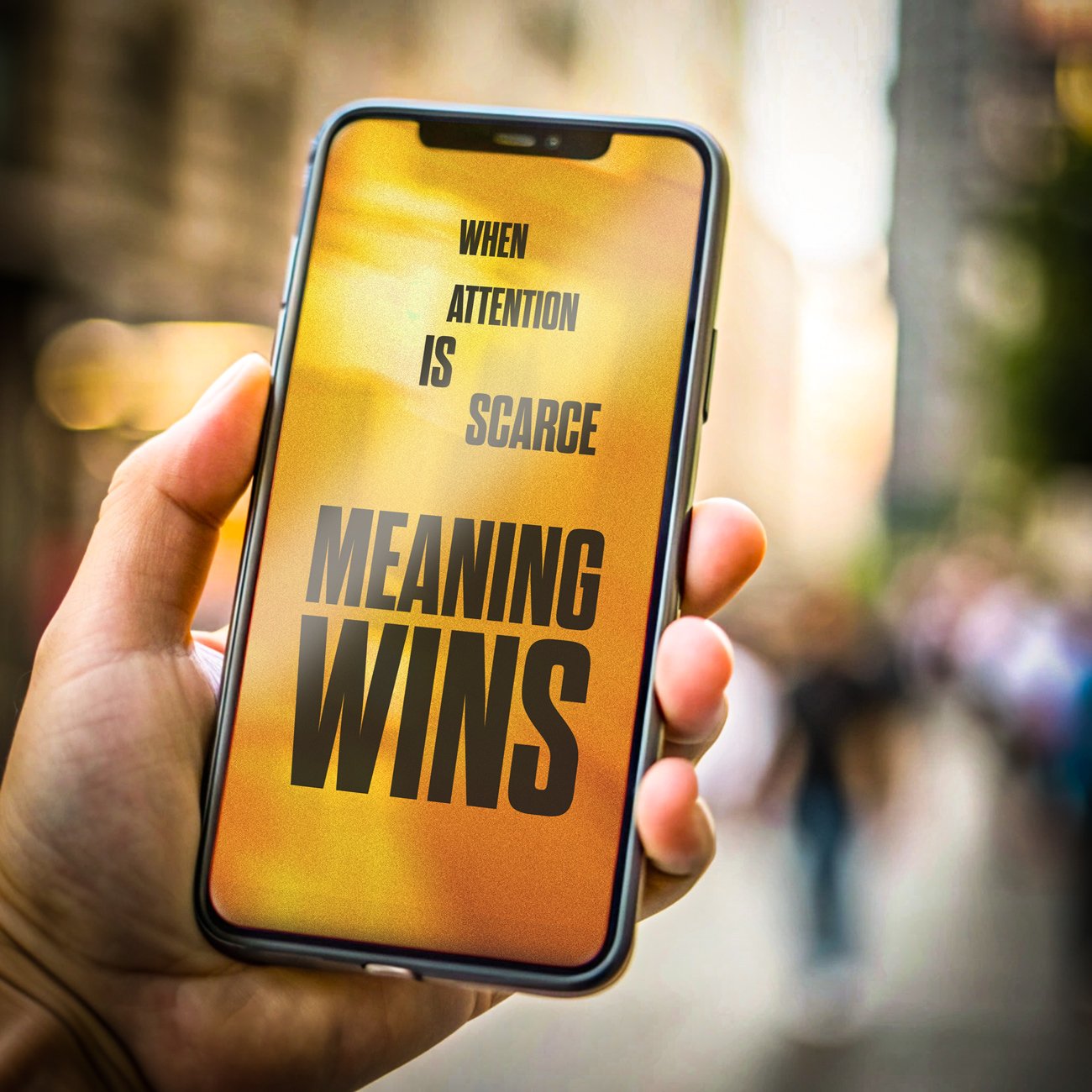
The End of Passive Giving?
There’s a quieter shift happening across the charity sector at the moment. It’s not dramatic or headline-grabbing, but it is significant. Fewer people are giving, and those who continue to do so are making more considered decisions about where their money goes.
At the same time, the kind of long-term loyalty that many organisations once relied on is becoming increasingly fragile, with supporters far more likely to drift away if something doesn’t resonate.

The Simple Joy of a Good Idea…
The Simple Joy of a Good Idea
In a world where almost anything can be generated at the click of a button, it’s easy to forget the quiet satisfaction of an idea that begins in your own head.
We see it less often than we used to. A lot of concepts now arrive fully formed from digital tools - polished, efficient, and technically impressive, but so lack that human touch or lateral thought. But sometimes something far more interesting turns up.
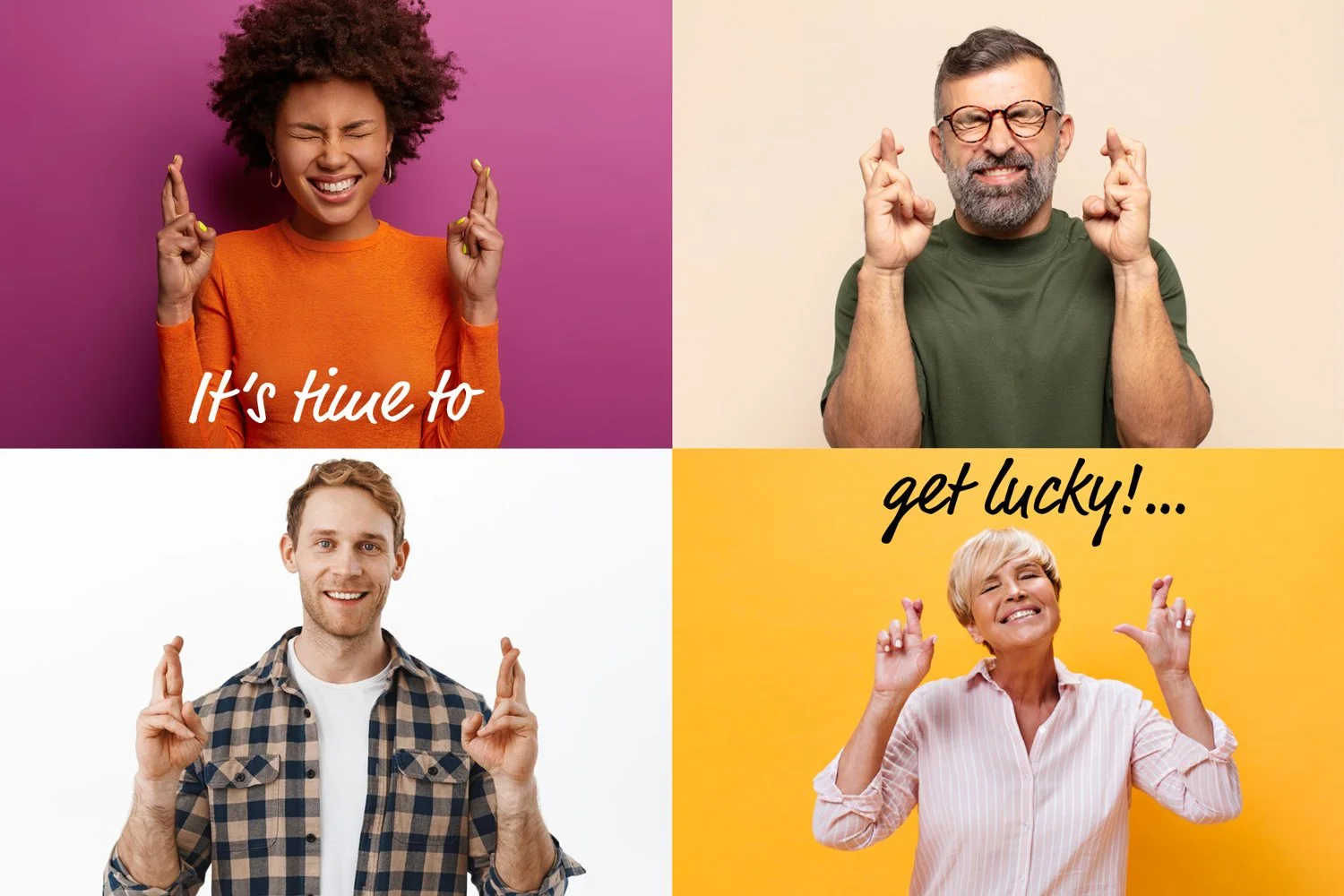
It’s Time to Get Lucky!… Why Raffle Campaigns Still Deliver for Charities.
It’s Time to Get Lucky!… Why Raffle Campaigns Still Deliver for Charities.
Spring is when many charities start looking ahead: lighter days, renewed energy, and the need for fundraising campaigns that actually deliver - not just in theory, but in cash raised.
One of the most reliable tools we see charities return to, year after year, is the raffle. Not because it’s flashy or fashionable - but because it works.

Why Direct Mail is the Smart Move in a Digital Age.
If you work in the charity world, you’ll know this feeling.
You put real thought into a campaign. You try to get the tone right. You’re careful not to guilt-trip people, but you still need urgency. You make it human. You hit publish…
…and it disappears into the scroll like it never existed. That’s not because people don’t care. Most do. They’re just overwhelmed.
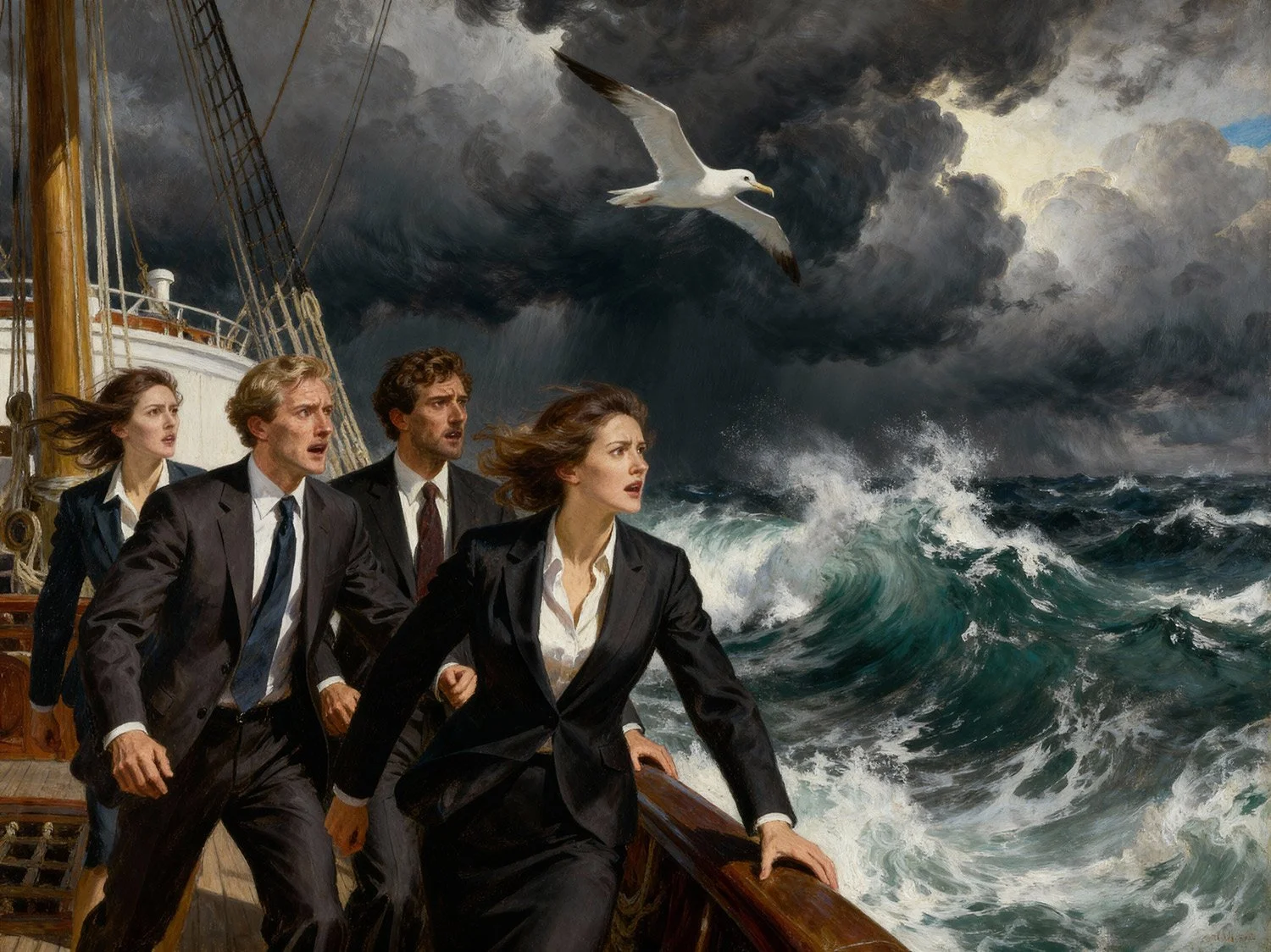
Navigating the 3rd Sector. Why Strategy Matters More Than Ever for Charities.
Strategy isn’t a luxury for charities. It’s your rudder.
Too often, charities are forced into constant action without the breathing space to step back and define direction. But without strategy, even the best intentions can drift - like navigating rough seas without a rudder.
Let’s shape what comes next - together.

Choosing a Direct Mail Agency for your Charity needn’t be a headache...
Choosing the Perfect Direct Mail Partner.
When charities choose Wodehouse as their direct mail partner, they’re not simply commissioning print - they’re trusting a team that treats their cause, their supporters and their reputation with genuine care. We’ve built our approach around clarity, empathy and craftsmanship because charities deserve more than a production line; they deserve people who make the complicated feel simple and the important feel well looked after.