
There’s more to the Budget than gherkins and beans…
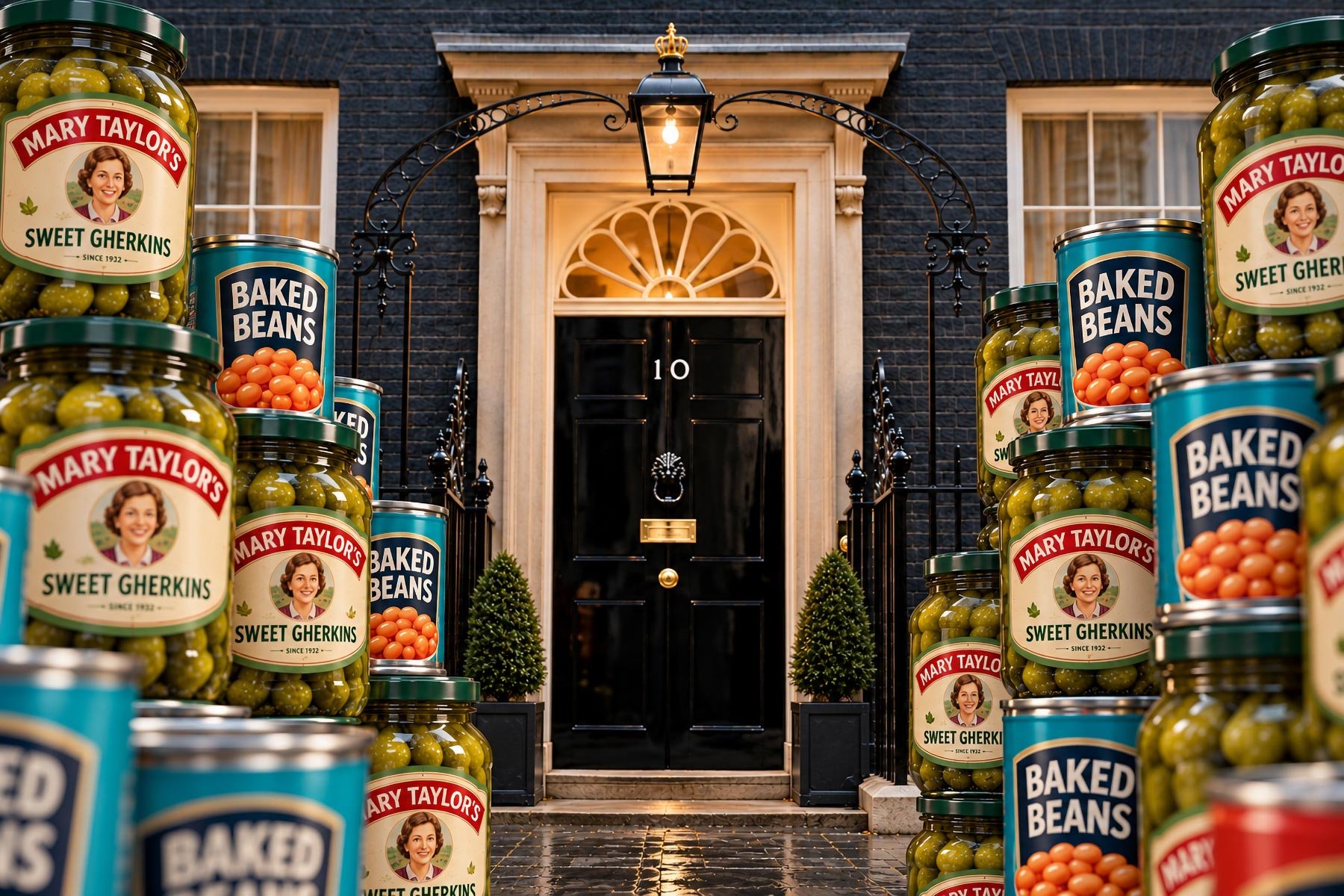
Beyond the contents of the shopping basket lie some considerably bigger questions about budget 2026.
Beyond the miserly savings on supermarket staples and the political soundbites, what does the 2026 Budget really mean for British businesses, charities and the people who support them?
The Chancellor's latest Budget has delivered its share of attention-grabbing announcements, including the removal of import tariffs on more than 100 everyday food products, among them baked beans, gherkins and chocolate.
The Government estimates the changes could save households around £21 a year. Every little helps, perhaps, but beyond the seemingly eccentric contents of the shopping basket lie some considerably bigger questions.
For businesses and charities already navigating rising costs, economic uncertainty and changing consumer behaviour, what really matters is whether the Budget will provide the confidence and financial breathing space needed to plan for the future.
Some welcome relief for business
The Budget contains measures intended to ease pressure on businesses, particularly those operating on Britain's high streets.
From April 2027, the threshold for full Small Business Rates Relief will increase from £12,000 to £18,000 in rateable value for qualifying retail, hospitality and leisure properties in England. The Government estimates that around 70,000 additional businesses will pay no business rates as a result.
There is also support for energy costs and additional relief for pubs, social clubs and live music venues.
However, it isn't all good news for employers.
The National Living Wage will rise by 3.9% to £13.21 an hour from April 2027. While this is welcome news for lower-paid employees, it also represents another increase in employment costs for businesses already balancing wages, suppliers and operating expenses.
For many smaller businesses, the challenge remains familiar: how to protect profitability while continuing to attract customers, retain staff and invest in growth.
What about the charity sector?
For charities, the implications of the Budget are arguably more complex.
Charitable organisations are not immune to rising costs, yet their ability to generate income often depends on the financial wellbeing of the wider population.
The Charity Commission's 2026 Sector Risk Assessment makes sobering reading. Around 41% of charities reported expenditure exceeding income in the latest available annual-return data, highlighting the financial pressures facing significant parts of the sector.
Any measures that ease household expenditure may offer some encouragement. But lower bills do not automatically translate into increased charitable giving.
When disposable income is limited, even committed supporters may reconsider regular donations. Meanwhile, demand for charitable services can remain high or increase during periods of economic difficulty.
This creates a difficult balancing act. Charities must continue delivering essential services while making an increasingly compelling case for public support.
And that means that effective communication is more important than ever.
The temptation to cut marketing
When finances tighten, marketing and communications budgets are often among the first to face scrutiny.
Campaigns are postponed, creative investment is reduced and organisations concentrate on immediate operational priorities.
It's understandable. But reducing visibility can create problems of its own.
Businesses that stop communicating risk losing customers and market share. Charities that scale back their fundraising activity may struggle to maintain donor relationships, attract new supporters and demonstrate the impact of their work.
The answer isn't necessarily to spend more. It's to make existing budgets work harder.
That means understanding audiences, choosing appropriate channels and developing creative campaigns that deliver measurable results.
A carefully considered direct mail campaign, supported by digital communications and engaging social content, can be far more effective than simply producing greater volumes of material without a clear strategy.
More intelligence, less noise
In an increasingly crowded communications landscape, organisations need more than visibility. They need relevance.
For businesses, that means communicating a compelling proposition and giving customers a reason to choose them over competitors.
For charities, it means telling meaningful stories, demonstrating impact and helping supporters understand the difference their contributions make.
Technology, including AI, can help organisations work more efficiently. But faster and cheaper content production isn't necessarily better communication. Originality, empathy and a genuine understanding of audiences remain essential.
At a time when everyone is competing for attention, creative thinking is not an indulgence. It's a commercial advantage.
Looking beyond the Budget
The Budget provides a framework for the coming year, but it cannot eliminate uncertainty or solve every financial challenge.
For businesses and charities planning for 2027, now is a sensible time to review their marketing and fundraising strategies.
Are campaigns delivering meaningful returns? Are existing customers and supporters receiving enough attention? Are organisations communicating clearly, consistently and creatively?
And perhaps most importantly, are resources being directed towards activities that make a measurable difference?
At Wodehouse, we believe effective marketing begins with intelligent thinking, not simply bigger budgets.
By combining creative ideas with considered strategy, we help businesses and charities communicate more effectively, strengthen relationships and make the most of their available resources.
Because ultimately, whatever changes in Westminster, the fundamentals remain the same.
The Budget may determine how much money people have to spend. Good marketing helps determine where, why and with whom they choose to spend it. After all, it’s not all gherkins and beans.
We love good design and aesthetics and don't feel it should cost the earth either. Across all areas of business and the charity sector Wodehouse have delighted our clients with graphic design, high quality print and direct mail solutions since 2003.